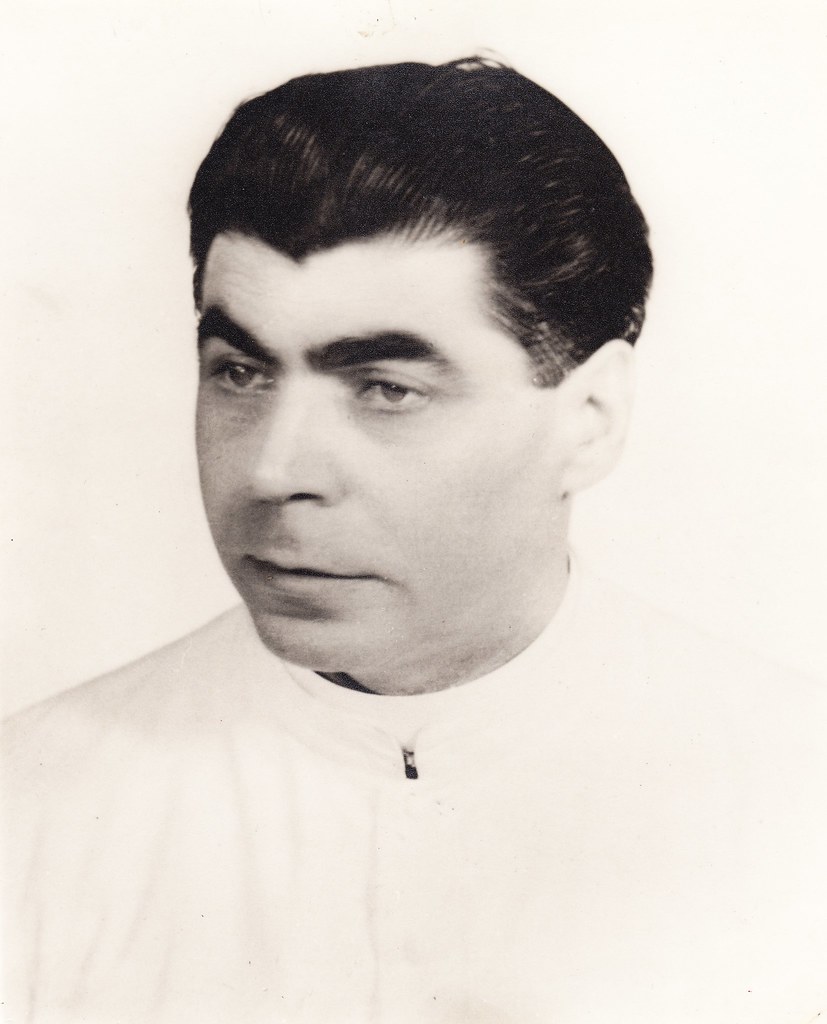
The Academia de Música de S. Pio X in Macau was founded in 1962 by Fr Áureo Castro Nunes e Castro (1917–1993), better known as Fr Áureo in Macau. It was the first institution offering systematic musical training to the young people in Macau. With the support of the Diocese of Macau, the Academia has continued for more than sixty years to advance music education and local musical arts, making a lasting contribution.
Fr Áureo was one of Macau’s most influential music educators, conductors, and composers. He devoted his life to serving both the Church and the people of Macau, leaving a deep impact on the development of music in the city, and also leaving behind many precious works of both sacred and secular music. In recognition of the Academia’s and Fr Áureo’s contributions in fostering musical talent and enriching the cultural life of Macau, the Macao Government awarded the Medal of Cultural Merit to the Academia in 1987 and to Fr Áureo in 1990.
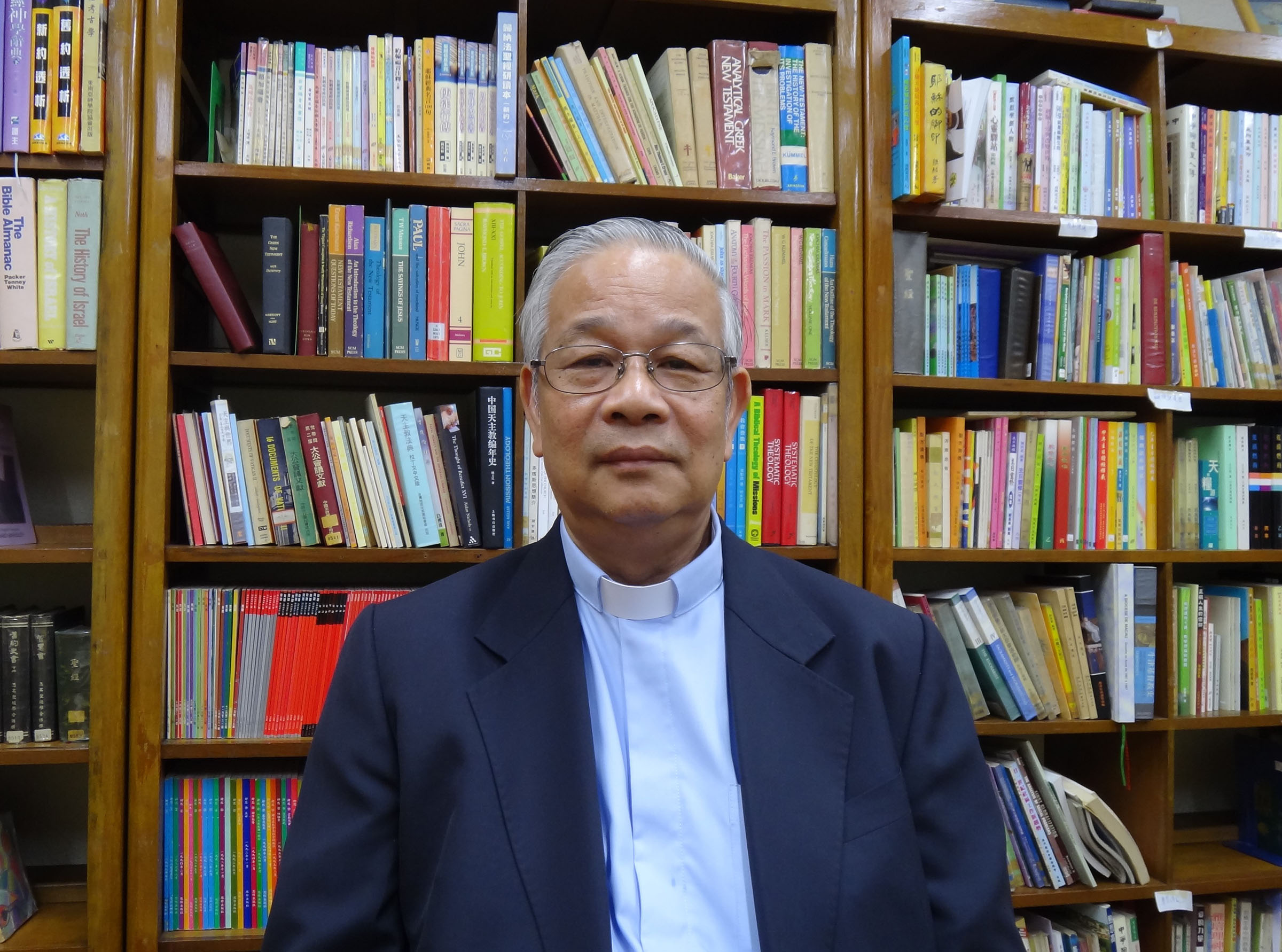
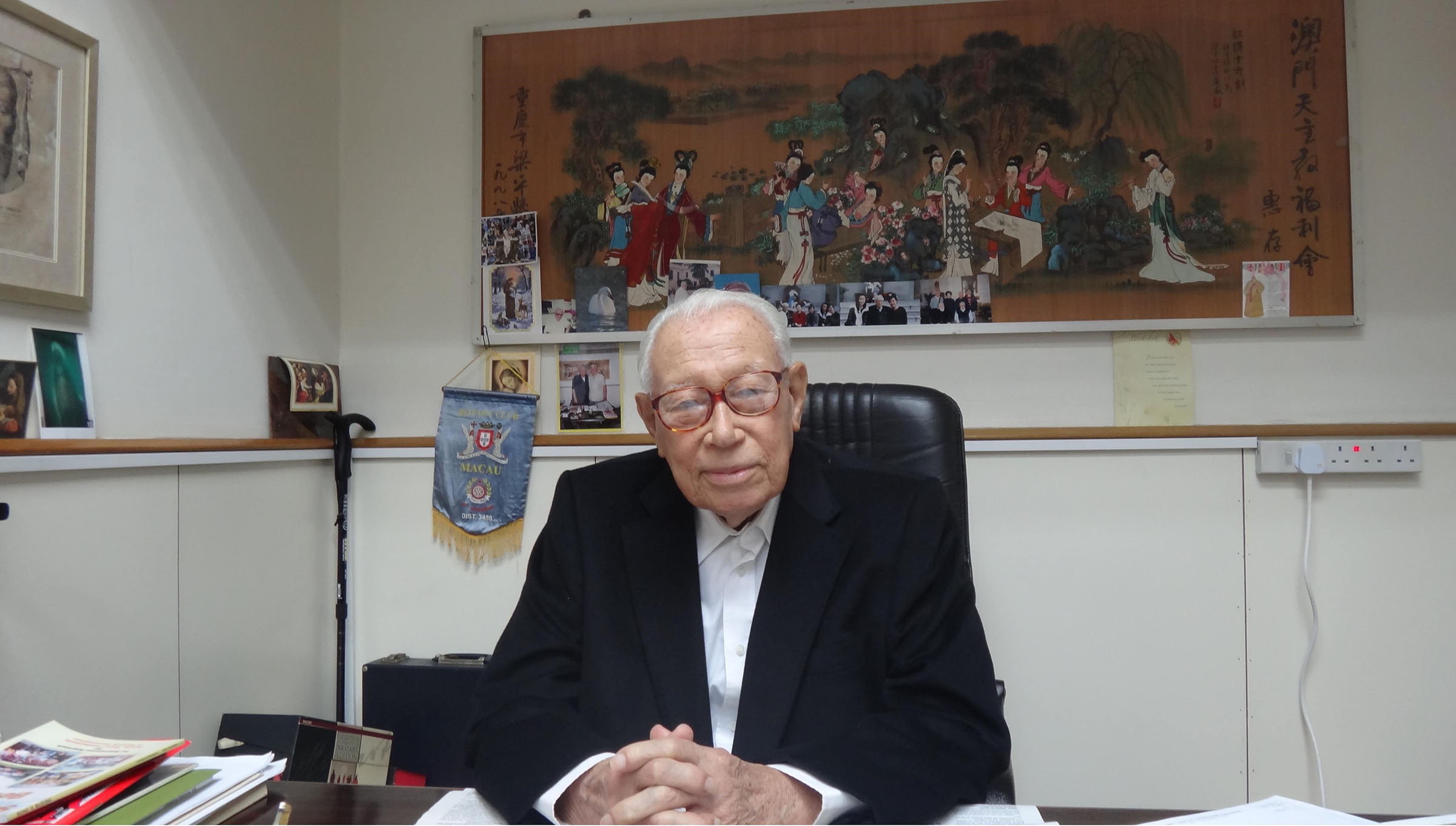
Fr Áureo passed away on 21 January 1993, at the age of 76. He served as director for thirty years. In 1993, Fr Lancelote Rodrigues succeeded him as director and later invited the Hong Kong musician, Dr Margaret Lynn, to be the Music Consultant of the Academia. Fr Lancelote led the Academia until June 2013, when Fr Cónego João Evangelista Lau was appointed director. In September 2020, Bishop Stephen Lee Bun Sang appointed Cónego Lau as School Supervisor and Basilla Sam as Director.
In the early years, the Academia was located at the Catholic Centre in Avenida da Praia Grande, with only four classrooms. It expanded its premises in 1975, and later in 1995, moved to another site in Rua da Santa Clara. After more than two decades at this site, Bishop Stephen Lee Bun Sang granted permission for the Academia to use the former Matteo Ricci College Primary Section at Rua da Praia do Bom Parto as its new campus.
Built in 1868, this building originally served as the commercial headquarters of the Jardine Matheson. Later, it served as residence purposes, then became part of the Ricci School in 1955. This typically Portuguese manor house is considered to be Eclectic architectural style. The decorations, sculptures and garlands which adorn the top of the windows and doors of the building, were popular baroque-inspired elements during the time. Under the “Cultural Heritage Protection Law” in Macau, this building was classified as a property with architectural interest. After over three years of restoration and reconstruction of the heritage building, the Academia has settled into the premises since September 2021. Its additional space, resources and facilities provide a better enhanced teaching and learning environment.
The Academia will continue to uphold Fr Áureo’s educational philosophy—emphasizing both performance and theory—and looks forward with eager anticipation to furthering its contribution to the cultural aspirations of Macau.